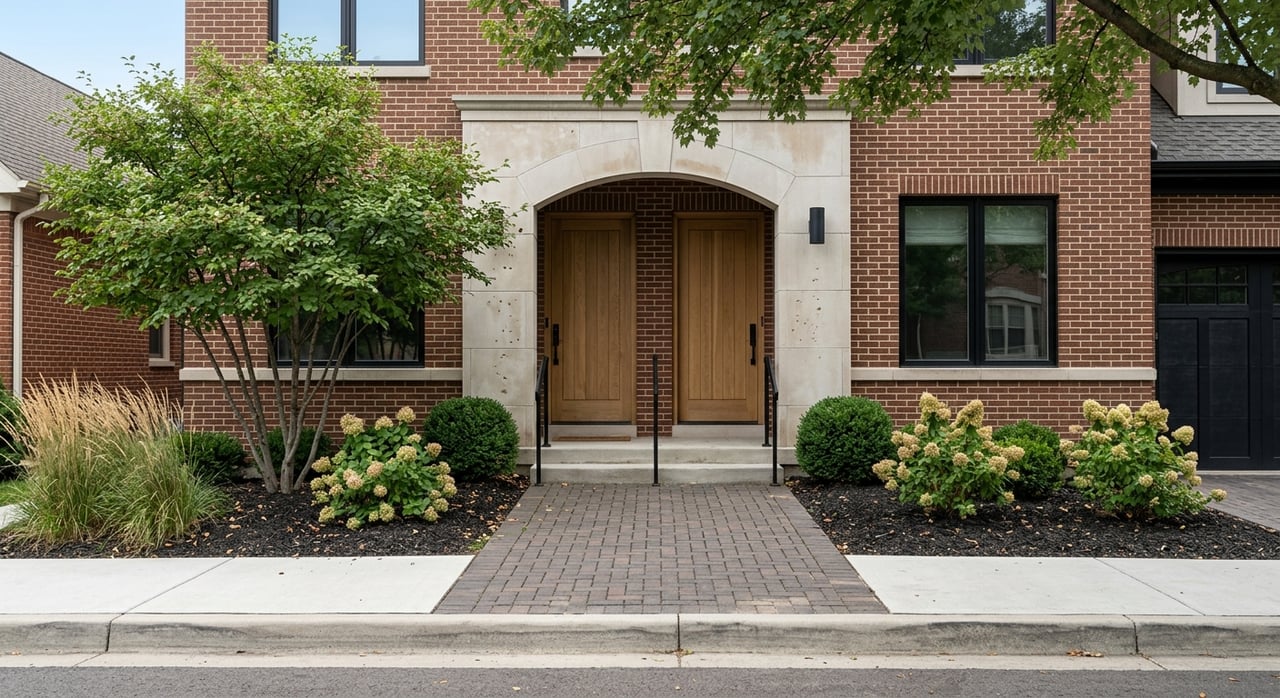
Downsizing In Burr Ridge: Choosing The Right Home For Your Next Stage
July 16, 2026
July 16, 2026
Wondering whether downsizing in Burr Ridge will actually make life easier, or just give you less space to manage? If you are thinking about your next stage, that is the right question to ask. In a village where many residents are longtime homeowners and a large share of the population is 65 or older, downsizing is often less about finding the cheapest option and more about simplifying daily life while protecting the equity you have built. Let’s dive in.
Burr Ridge is not a one-size-fits-all market. Census estimates show 11,179 residents, a 94.0% owner-occupied housing rate, a median owner-occupied home value of $700,400, and 36.1% of residents age 65 or older. That points to a market where many moves are driven by lifestyle, convenience, and long-term planning.
For you, that means the right downsizing move may not be the smallest or least expensive property. It may be the home that helps you reduce upkeep, stay comfortable longer, and keep the features that matter most in your daily routine.
It is easy to begin with bedroom counts and total square feet, but those numbers do not tell the whole story. A smaller home can still feel frustrating if the layout does not support how you live.
When you compare options, focus first on whether the home makes day-to-day life easier. That often means looking at entry-level living, storage, guest space, and how much flexibility you will have in the years ahead.
These practical details usually matter more than the raw size of the home. The goal is not just to move into something smaller. The goal is to move into something that fits better.
In Burr Ridge, downsizers often narrow their search to three broad choices: condos, townhomes, and smaller single-family homes. Each comes with a different balance of maintenance, privacy, control, and cost structure.
A condo is often the best fit if you want the fewest exterior responsibilities and a true lock-and-leave lifestyle. If your priority is reducing chores like exterior maintenance and common-area upkeep, this option can be very appealing.
But convenience comes with shared governance. In Illinois, condo and common-interest association documents matter because they shape your monthly costs, reserve planning, rules, and how the community is managed.
Townhomes often sit in the middle. You may get more square footage and privacy than a condo, while still having association support for certain shared elements.
That said, the rules still matter. If you are considering a townhome, you should review the declaration, bylaws, and any leasing or use restrictions before closing, especially if you may want to rent the property out in the future.
A smaller single-family home can be a strong option if you want more freedom over updates, storage, outdoor space, and future projects. You also avoid shared walls and many of the day-to-day rules that can come with association living.
The tradeoff is maintenance. If keeping a yard or handling exterior upkeep still feels manageable, this option may offer the best long-term fit for your lifestyle.
In Burr Ridge, your location choice matters almost as much as the property itself. The decision is not only condo versus house. It is also whether you want to be closer to the village’s main amenity hub or in a quieter residential setting farther from the commercial core.
Burr Ridge spans both Cook and DuPage Counties, so it is smart to confirm the county for any property you consider. That can affect how you compare taxes, assessments, and local procedures.
Village planning materials describe downtown Burr Ridge around County Line Road and Burr Ridge Parkway as the village’s main mixed-use center. That area includes Burr Ridge Village Center, which the village identifies as having 196 residential units along with retail, restaurants, and office space.
For many downsizers, this area stands out because it offers one of the strongest convenience pockets in Burr Ridge. The village planning documents describe it as a place where people shop, live, socialize, and work, which can be especially appealing if you want daily errands and dining options closer to home.
If you want a lower-car lifestyle, downtown Burr Ridge may deserve a closer look. It has the most concentrated walkable, mixed-use environment in the village based on the planning materials.
Still, Burr Ridge is best understood as a largely car-oriented suburb. Some areas offer more convenience than others, but the lifestyle will not feel the same across the entire village.
Pace’s Burr Ridge Park-n-Ride adds another mobility option for some residents. Pace lists free parking, a bus shelter, no overnight parking, and connections to the 768 and 855 express routes.
That can be helpful if you want another transportation choice for commuting or occasional trips. But for most buyers, it makes more sense to view transit as a supplement rather than the core reason to choose a home in Burr Ridge.
If you are buying a condo or townhome, the monthly dues are only one part of the picture. In Illinois, association-governed communities come with a broader ownership package that includes budgets, rules, records, reserve planning, and enforcement procedures.
Under Illinois law, associations maintain records such as declarations, bylaws, rules, receipts and expenditures, board meeting minutes, and reserve studies. Boards can also levy reasonable fines after notice and an opportunity to be heard. That is why it is so important to understand how the community operates, not just what the monthly payment looks like.
For an Illinois condo resale, the seller must make available a detailed document package. That package includes items such as:
Illinois law allows the association to charge up to $375 for this package, plus up to $100 for rush service. While that can feel like one more line item, the review is worth it because it helps you understand the real cost and condition of association living.
Reserve strength is especially important if you are trying to create a simpler, more predictable next chapter. A home with attractive finishes can still be a poor fit if the association has weak reserves or a higher risk of special assessments.
Illinois law says reserve planning should consider repair and replacement costs, useful life, reserve studies, the effect of assessment increases on owners, and the association’s ability to finance or refinance. In plain terms, that means you should look at the financial health of the community just as closely as you look at the kitchen or primary suite.
Association rules can shape your experience more than many buyers expect. Before you commit, make sure you understand the rules that affect how you plan to live in the property.
Ask about:
If you may rent the property later, this step is critical. Illinois law provides that association provisions affecting use of the unit or common areas are incorporated into certain leases executed or renewed after the statute’s effective date, so you do not want surprises after closing.
The best downsizing move is the one that supports the life you want next. For some buyers, that means a condo near Burr Ridge’s mixed-use core with less exterior responsibility. For others, it means a townhome with a bit more room or a smaller detached home that still offers privacy and control.
The key is to be honest about what you want to keep, what you are ready to give up, and what kind of maintenance you truly want in the years ahead. When your next home lines up with your routines, budget, and comfort level, downsizing can feel less like a compromise and more like a smart reset.
If you are weighing your options in Burr Ridge and want clear, practical guidance on what fits your goals, Christina Barbaro can help you compare homes, locations, and ownership styles with a strategy that feels manageable.
Stay up to date on the latest real estate trends.

A licensed Illinois Realtor providing professional, compassionate, and dedicated service, guiding buyers and sellers with integrity and clear communication to achieve lasting results—contact Christina today to get started.
Get In Touch With Christina To Learn More