Is Homer Glen Lifestyle and Housing Right for You?
July 2, 2026
July 2, 2026
Looking for a place where you can spread out without feeling cut off from everyday convenience? Homer Glen stands out for exactly that balance. If you want more room, more greenery, and a quieter pace while still staying connected to shopping, highways, and the broader southwest suburban market, this village deserves a closer look. Let’s dive in.
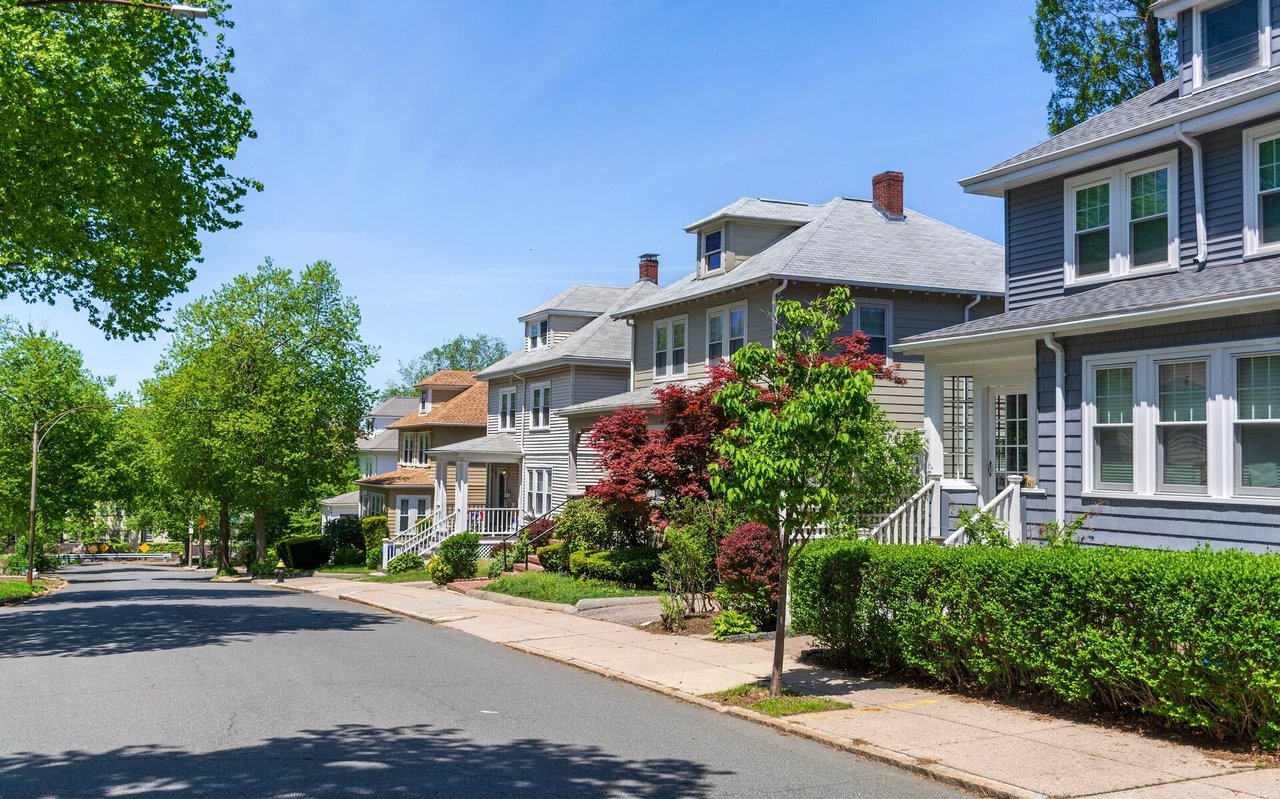
Homer Glen offers a suburban lifestyle with a noticeable sense of space. The village is about 25 miles southwest of downtown Chicago and covers roughly 22 square miles, making it one of the largest municipalities by area in Will County. That extra land helps shape the feel of the community.
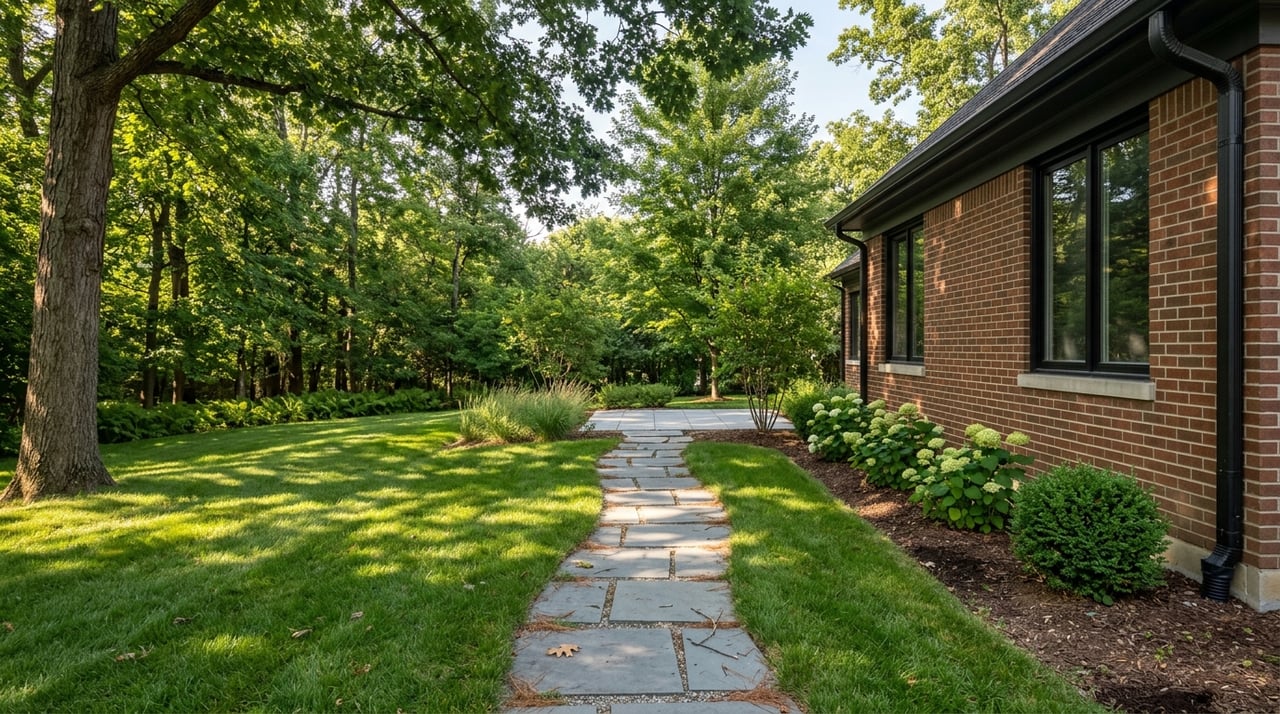
Instead of a dense built-up pattern, Homer Glen blends residential neighborhoods with open space and commercial corridors. The village has also made open-space protection part of its long-term identity, with goals tied to wetland and stream protection, agricultural land preservation, and an interconnected greenway system. If you are drawn to a quieter setting, that planning focus matters.
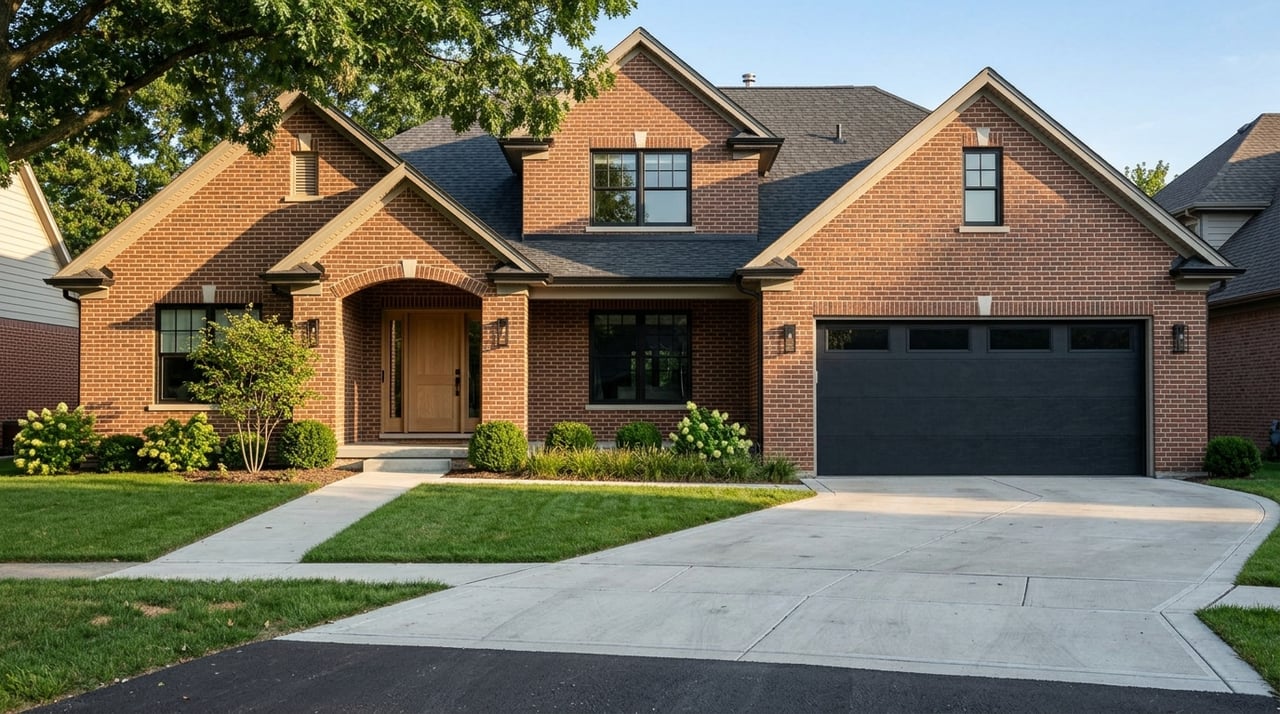
One of the clearest reasons people consider Homer Glen is the housing pattern. The village’s comprehensive plan calls for Homer Glen to remain primarily a single-family community, with large-lot residential areas continuing to play the leading role. In simple terms, space is not just a bonus here. It is part of the plan.
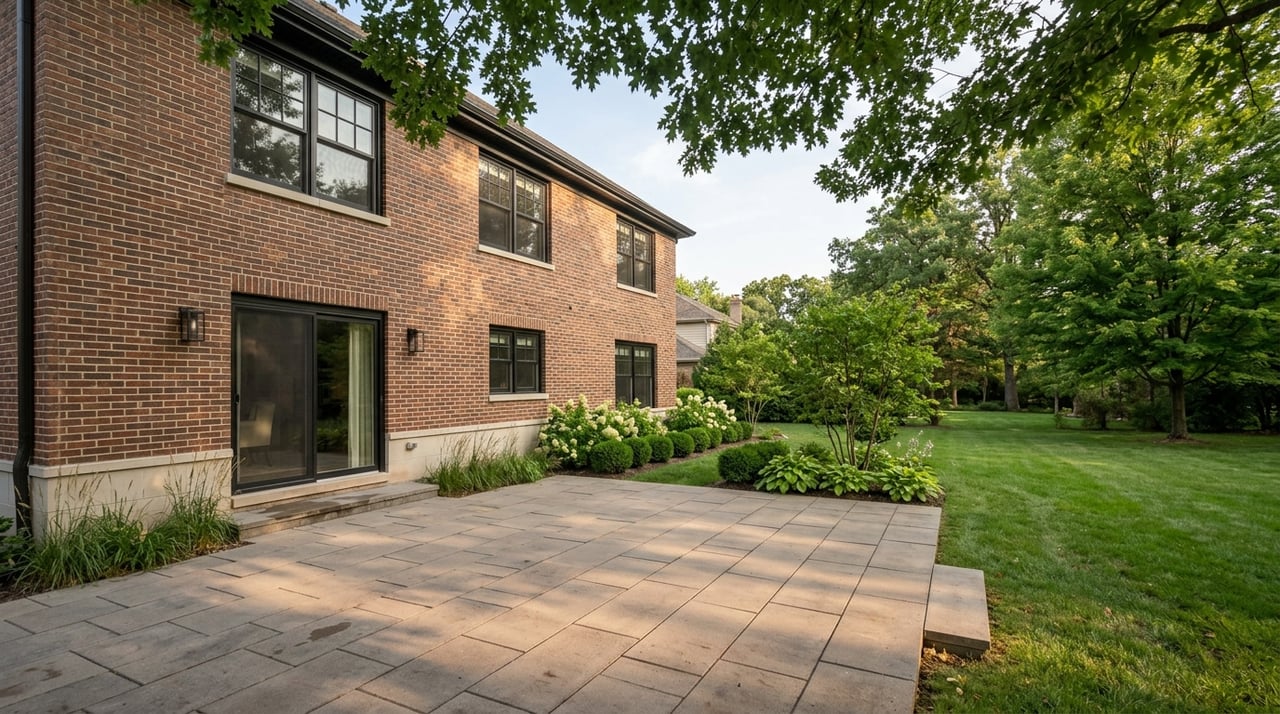
Residential areas include moderate-density single-family homes on roughly half-acre lots, lower-density homes on half-acre to one-acre lots, estate homes on one to 2.5 acres, and rural lots of about 2.5 acres or larger. That range gives you options if you want anything from a traditional suburban yard to a more expansive homesite.
For buyers moving from a denser part of Chicagoland, that can feel like a major lifestyle shift. You may find more distance between homes, more mature landscaping, and more of the privacy that comes with larger lots. For many households, that is the core of Homer Glen’s appeal.
The numbers also support Homer Glen’s reputation as a place where people tend to put down roots. Census data shows a 94.9% owner-occupied rate, a median owner-occupied home value of $418,800, and 95.0% of residents living in the same home one year earlier. Those figures point to a market that feels steady rather than fast-turning.
That kind of stability can be especially attractive if you are thinking long term. Whether you are buying your first suburban home, moving up for more space, or making a later-life move, Homer Glen often appeals to people who want continuity and a more settled environment.
If outdoor access matters to you, Homer Glen has a lot going for it. The village Parks Department maintains 200 acres of open space, 13 parks, 11 playgrounds, 6 miles of trails, and a sports complex. The broader village profile also notes 13 community parks, 17 miles of multi-use trails, and more than 1,400 acres of public land managed by the Will County Forest Preserve District.
Those totals measure slightly different systems, but the takeaway is clear. Parks, trails, and open land are not an afterthought here. They are part of everyday living.
Heritage Park is one of the best examples of how Homer Glen supports an active outdoor routine. It includes walking and biking trails, fitness stations, tennis and pickleball courts, sand volleyball courts, a nature play area, a challenge course, and a free 18-hole disc golf course. Seasonal light displays also add another layer of community use.
The Heroes Trail system helps connect parks, civic sites, schools, and commercial areas. That means trails are not just recreational amenities on the edge of town. They are woven into how people move through the village.
Beyond the village park system, Homer Glen also benefits from major preserve access. Messenger Woods Nature Preserve spans 549 acres and includes forest, prairie, savanna, wetland, and Spring Creek habitat. Activities there include hiking, running, camping, cross-country skiing, snowshoeing, and picnicking.
Fiddyment Creek Preserve adds another 282 acres near 159th Street and I-355. The Spring Creek Greenway Trail also brings an 8.53-mile regional trail network with access at Messenger Marsh in Homer Glen. If you want a suburban home base with meaningful access to natural areas, this is a strong part of the local lifestyle.
A common concern with lower-density communities is whether daily errands and commuting become harder. In Homer Glen, the answer is more balanced than many buyers expect. The village highlights two I-355 interchanges and commuter rail access, which helps keep the area connected to nearby suburbs and downtown Chicago.
For daily needs, commercial activity is centered along 143rd Street, 159th Street, and Bell Road. The 143rd and Bell retail district includes grocers and big-box stores, giving residents practical shopping close to home. That mix is one reason Homer Glen works well for people who want more peace at home without giving up convenience.
Homer Glen often appeals to buyers who want their home life to feel a little less rushed. You might spend a morning on local trails, run errands along Bell Road, and still enjoy a quieter residential setting by evening. That blend of ease and breathing room is a big part of the village’s identity.
Community events also help bring people together. HomerFest, the village’s premier summer festival held in June, is one of the most visible examples of local community life. For many buyers, those events help a place feel established and lived-in, not just convenient on paper.
Homer Glen can fit several types of buyers because its lifestyle is broad without being generic. Census figures show 23.6% of residents are under 18 and 19.6% are 65 or older, with a median age of 42.6. That mix suggests appeal across different life stages.
You might be drawn to Homer Glen if you are:
The village can feel especially attractive for move-up buyers, relocators, and downsizers who still want a suburban setting with room to breathe. It can also appeal to buyers who want access to the southwest suburbs while keeping a little more separation from busier commercial zones.
Because Homer Glen includes different lot sizes and residential patterns, the right fit often comes down to your priorities. Some buyers want a traditional neighborhood feel with a manageable yard. Others are specifically looking for a larger lot, estate-style setting, or a location closer to preserves or retail corridors.
School boundaries are also worth verifying by address. The village notes that elementary boundaries are approximate and lists multiple elementary districts, along with Lockport Township High School District 205 for the high school level. If that detail matters for your move, it is smart to confirm it early in your search.
In a lot of suburban searches, buyers feel like they have to choose between convenience and calm. Homer Glen makes a compelling case that you can have both. Its open-space priorities, large-lot housing pattern, trail and preserve access, and practical retail corridors all work together to create a lifestyle that feels grounded and usable.
If you are searching in the southwest suburbs and want space, nature, and quiet without giving up daily functionality, Homer Glen is a village worth serious consideration. And if you want help comparing Homer Glen to nearby communities or narrowing down the right type of property, Christina Barbaro can help you make a clear, confident move.
Stay up to date on the latest real estate trends.
A licensed Illinois Realtor providing professional, compassionate, and dedicated service, guiding buyers and sellers with integrity and clear communication to achieve lasting results—contact Christina today to get started.
Get In Touch With Christina To Learn More