First-Time Buyer Roadmap For Tinley Park Homes
June 11, 2026
June 11, 2026
Buying your first home in Tinley Park can feel exciting right up until the details hit you. Prices move fast, good homes can draw multiple offers, and it is easy to wonder how prepared you really need to be. The good news is that a clear plan can make the process feel much more manageable. This roadmap will help you understand the Tinley Park market, set a smart budget, tour with purpose, and move toward closing with confidence. Let’s dive in.
If you are buying your first home here, start with the pace of the market. In March 2026, Realtor.com described Tinley Park as a seller’s market with 199 homes for sale, a median listing price of $338,000, a sale-to-list ratio of 100%, and a median 27 days on market. Redfin’s April 2026 snapshot also showed a competitive environment, with a median sale price near $320,000, about 4 offers per home, and 39.0% of homes selling above list price.
What does that mean for you? In simple terms, you should expect a market where pricing matters and hesitation can cost you. That does not mean you need to rush into the wrong home, but it does mean preparation matters before you start touring.
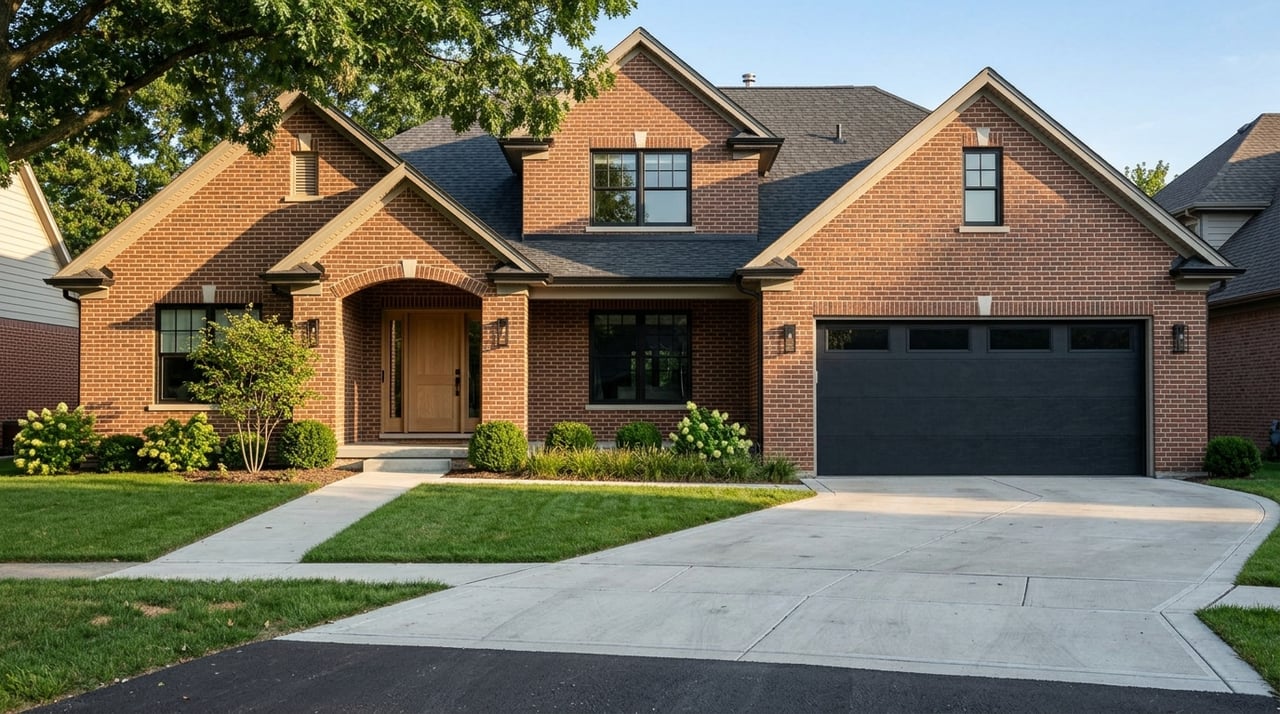
Tinley Park offers more than one type of first-home option. CMAP reports that 55.8% of the housing stock is single-family detached, while 21.8% is single-family attached. That gives you a meaningful mix of houses and attached homes to compare.
The median year built is 1987, and 42.6% of homes have 3 bedrooms. For many first-time buyers, that means you may be looking at homes with practical layouts and established neighborhoods rather than brand-new construction. It is smart to pay close attention to condition, upkeep, and major systems during your search.
Tinley Park is ownership-heavy, with 87.5% owner-occupied housing units according to CMAP. For you, that is a reminder that buying is not just about qualifying for a loan. It is also about being ready for the ongoing costs that come with owning and maintaining a home.
One of the biggest first-time buyer mistakes is focusing only on the mortgage payment. A more realistic budget includes principal, interest, property taxes, insurance, and any HOA dues. That fuller picture can help you avoid stretching too far just to win a house.
Before house hunting, the CFPB recommends checking your credit reports, correcting any errors, and tracking your spending. It also advises avoiding new credit cards, large credit-card purchases, or a new car loan before buying. Lenders generally use your credit profile to help determine qualification and rate terms, so small moves before you buy can have a real impact.
A preapproval letter can strengthen your position because many sellers expect to see one with an offer. At the same time, the CFPB is clear that preapproval is not a guaranteed loan offer and is not the same as final loan approval. Think of it as a useful budgeting tool and a sign that you are serious, not a finish line.
If upfront cash is your biggest hurdle, state-level assistance may help. IHDA says its Access Home program can provide first-time homebuyers assistance equal to 6% of the purchase price, up to $15,000, toward down payment and closing costs. For many renters, that can make the jump from renting to owning more realistic.
Cook County property taxes deserve a spot in your monthly planning from day one. The Cook County Assessor says the homeowner exemption applies to an owner-occupied principal residence and reduces equalized assessed value by $10,000. Once applied, it renews automatically, but the actual tax savings depend on the local tax rate.
That matters because your monthly housing cost is not just about the loan amount. If you are comparing homes at different price points or in different areas of Tinley Park, taxes can change the affordability picture quickly.
Once you know your budget, the next step is comparing homes in a structured way. HUD includes a home-shopping checklist in its buying guidance, and that is a smart approach in a market like Tinley Park. Instead of casually touring and hoping one home just feels right, compare each property on the things that affect your daily life and long-term cost.
Because Tinley Park has both detached and attached housing options, your search may include single-family homes, townhome-style properties, or both. A detached home may offer more lot space and privacy, while an attached home may offer a more efficient layout and potentially less exterior upkeep. The right fit depends on how you want to live, not just what looks best online.
Since much of the local housing stock dates to the late 20th century, pay close attention to the home’s condition. Look beyond paint color and staging. Try to compare floor plan, storage, natural light, and signs of ongoing maintenance from one home to the next.
Tinley Park is a practical commuter suburb, and your daily travel should absolutely be part of your home search. CMAP reports that 78.2% of workers drive alone, 5.2% use transit, 9.7% work from home, and the mean commute time is 34.5 minutes. Chicago is also the top work location for Tinley Park residents at 21.1%.
If commuting matters to you, test it realistically. A home that looks great on paper may feel very different when you consider highway access, train access, parking, and travel time during the hours you actually need to leave.
Metra’s Rock Island line includes both Tinley Park and Tinley Park–80th Ave. stations in the village. Metra lists the Tinley Park station as accessible, with 782 parking spaces and a connection to Pace Route 386. If you commute downtown or want transit flexibility, those details can make a real difference in your day-to-day routine.
In a competitive market, it is easy to feel pressure to offer quickly and stretch beyond your comfort zone. Tinley Park buyers need to be ready, but they also need to stay grounded. A smart first offer should balance speed with clear limits.
Redfin reports that many Tinley Park homes receive multiple offers, and some buyers waive contingencies. It also notes that hot homes can sell for about 3% above list price and go pending in around 29 days. Its broader market snapshot shows a 99.5% sale-to-list ratio and 15.1% of homes with price drops, while Realtor.com says homes sold for about asking price on average.
The takeaway is simple: some homes will move fast, but not every listing should push you into overpaying. Price discipline still matters.
Before you write an offer, decide what matters most to you. That could include your top monthly payment, your preferred closing timeline, or the repairs you are comfortable taking on. When the market feels emotional, having those rules in place can help you make a cleaner decision.
Fast markets can tempt buyers to skip steps, but this is where careful process matters most. Your goal is not just to get under contract. Your goal is to get to closing with fewer surprises.
HUD includes the home inspection as part of the buying process, and it is an important checkpoint for first-time buyers. In a market with many established homes, this step helps you better understand the property’s condition before closing. Even when the market moves quickly, slowing down enough to review the home carefully can protect you.
The CFPB advises buyers to do a final walk-through before signing. This is your chance to confirm that agreed repairs were completed and that the property is in the expected condition. It is a simple step, but it can prevent last-minute surprises on closing day.
The CFPB says the lender must provide the Closing Disclosure at least three business days before closing. It also advises buyers to review the Closing Disclosure and other closing documents carefully for changes or errors. For a first-time buyer, that review window is important because it gives you time to ask questions before the paperwork becomes final.
Closing day is a big milestone, but it is not the end of the process. Once you own the home, you will want a plan for the first few weeks and months.
If taxes and insurance are not escrowed, be ready to set money aside for those bills. You will also want to update your mailing address and move over your accounts and services. In Cook County, the homeowner exemption and tax bill timing can shape what your first year of ownership feels like, so staying organized early can help.
Buying your first Tinley Park home is a big step, but it does not have to feel chaotic. With the right budget, a clear touring strategy, and a steady plan from offer to closing, you can make smart decisions without losing sight of what matters most to you. If you want local guidance that is responsive, practical, and grounded in how this market really works, reach out to Christina Barbaro.
Stay up to date on the latest real estate trends.
A licensed Illinois Realtor providing professional, compassionate, and dedicated service, guiding buyers and sellers with integrity and clear communication to achieve lasting results—contact Christina today to get started.
Get In Touch With Christina To Learn More